
Do I Need to Upgrade My Switchboard for an EV Charger?
EV Chargers Hamilton, operated by 2E Electrical
Published 18 October 2026Last updated 10 November 2026
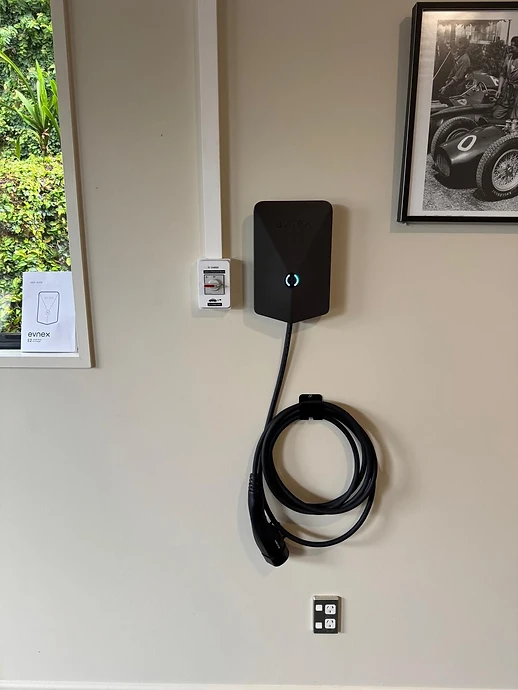
Assessing Your Electrical Capacity
Whether you need a switchboard upgrade depends entirely on your property's existing electrical capacity and the type of EV charger you intend to install. An EV charger is a significant electrical appliance that draws a continuous, high-power load. Before installation, a qualified electrician must perform a load assessment to determine if your current switchboard can safely handle this additional demand without overloading your main supply.
In many modern homes, a standard 7kW smart charger can be installed without a full switchboard replacement. However, if your switchboard is older, lacks sufficient spare capacity, or is already near its limit due to other high-load appliances like electric ovens, heat pumps, or spa pools, an upgrade may be necessary to ensure safety and compliance with New Zealand electrical standards.
When Is a Switchboard Upgrade Required?
An upgrade is typically required if your electrician identifies one of the following issues during their site assessment:
- Insufficient Spare Capacity: Your main switch or existing circuit breakers do not have the headroom to accommodate the new dedicated circuit required for the charger.
- Outdated Safety Components: Older switchboards may lack the modern RCD (Residual Current Device) protection required by current regulations for EV charging circuits.
- Physical Space Constraints: There is no physical room left on the DIN rail to install the necessary protective devices for the new charger.
- Degraded Wiring: If the existing switchboard components are showing signs of heat damage, corrosion, or are simply too old to be safely modified, a replacement is the safest path forward.
Smart Solutions: Dynamic Load Management
If your switchboard is at capacity, you do not always need to upgrade your entire electrical service. Many modern smart chargers feature dynamic load management. This technology monitors your home's total electricity consumption in real-time. If your household usage spikes—for example, when you turn on the oven and the dryer simultaneously—the charger automatically reduces its power output to prevent the main fuse from blowing. Once the other appliances are turned off, the charger ramps back up to its full speed. This is often a cost-effective alternative to a major switchboard or service upgrade.
The Importance of a Professional Assessment
Never attempt to install an EV charger without a professional assessment. WorkSafe New Zealand guidelines emphasize that dedicated charging stations must be installed by a licensed electrician to ensure the integrity of your home's wiring and the safety of the charging setup. A professional assessment from 2E Electrical includes:
- Checking the capacity of your main supply and switchboard.
- Inspecting the condition of existing wiring and protection devices.
- Determining the best location for the charger to minimize installation costs.
- Advising on whether a smart charger with load management can avoid the need for a costly upgrade.
Frequently Asked Questions
**Does every EV charger installation require a switchboard upgrade?** No. Many homes have sufficient capacity for a standard 7kW charger. An upgrade is only necessary if your current system cannot safely accommodate the additional load. **What is dynamic load management?** It is a smart feature that allows an EV charger to automatically adjust its power draw based on your home's current electricity usage, preventing your main supply from overloading. **Can I install a charger on an old switchboard?** It depends on the condition and capacity of the board. A licensed electrician must inspect it to ensure it meets current safety standards and can support the new circuit. **How long does a switchboard assessment take?** An assessment is typically a quick process during a site visit, where our electrician reviews your current setup and discusses your charging needs.