
7kW vs 11kW vs 22kW EV Chargers: What’s the Difference?
EV Chargers Hamilton, operated by 2E Electrical
Published 4 October 2026Last updated 2 November 2026
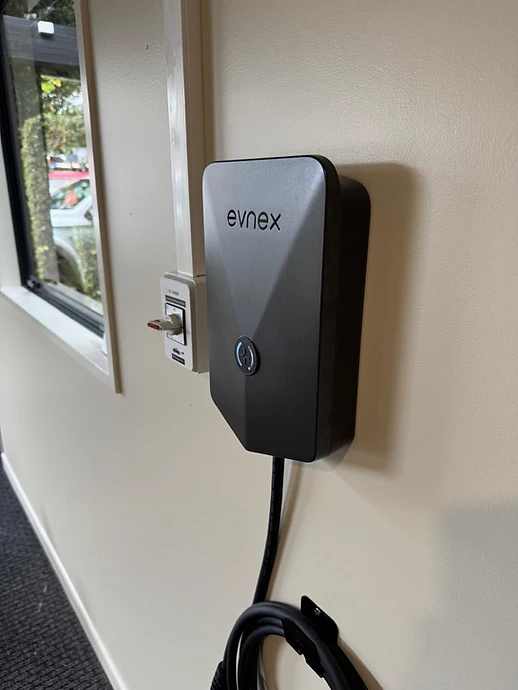
Understanding EV Charging Speeds
When choosing an EV charger, the power rating, measured in kilowatts (kW), determines how quickly your vehicle can replenish its battery. While higher numbers sound better, the right choice depends on three main factors: your home or business electrical supply, your vehicle’s onboard charger capacity, and your daily driving habits.
7kW Chargers: The Home Standard
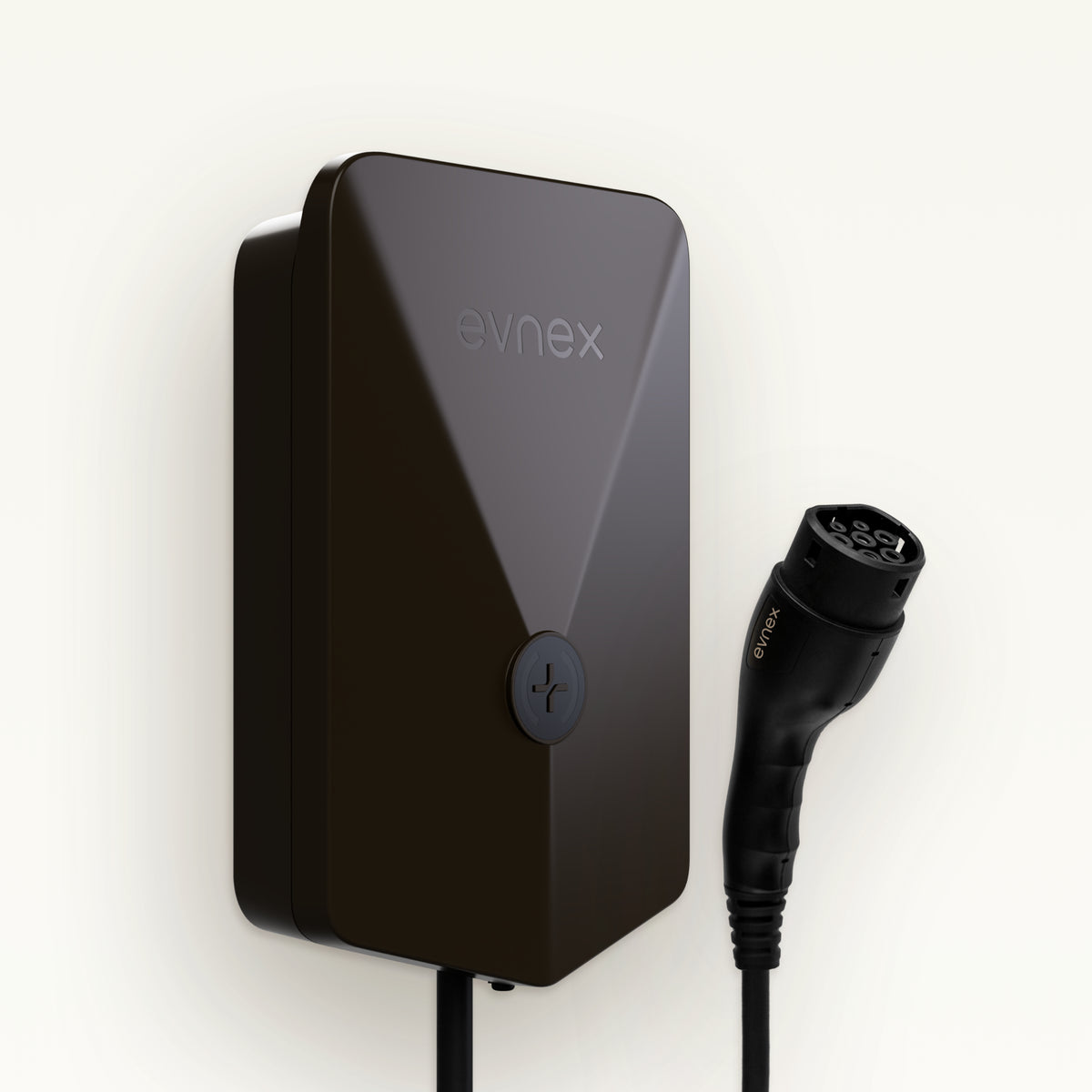
A 7kW (often 7.4kW) charger is the most common choice for residential installations in New Zealand. It operates on a standard single-phase electrical supply, which is what most Kiwi homes already have.
- Best for: Overnight charging. It can comfortably charge most EVs from empty to full in 6–12 hours.
- Compatibility: Compatible with almost all modern EVs.
- Installation: Generally the most cost-effective option as it rarely requires a major switchboard upgrade.
11kW Chargers: The Balanced Upgrade

An 11kW charger provides a faster charge than a 7kW unit but requires a three-phase electrical supply. If your property already has three-phase power, this can be a great middle-ground.
- Best for: Households with multiple EVs or those who want faster turnaround times.
- Compatibility: Your car must have an onboard charger capable of accepting 11kW AC input. Many EVs are capped at 7kW, meaning an 11kW charger will simply throttle down to 7kW for those vehicles.
22kW Chargers: High-Performance Charging
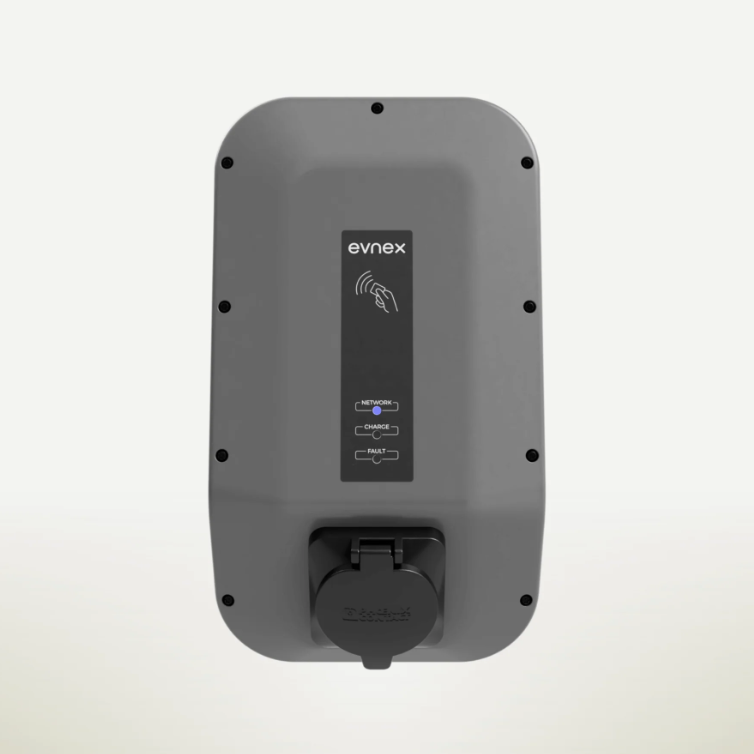
22kW chargers are the fastest AC charging option. These are typically reserved for commercial settings, fleet depots, or homes with high-capacity three-phase power.
- Best for: Commercial sites, workplaces, or high-usage fleets.
- Compatibility: Very few passenger EVs can accept 22kW AC charging. Most will default to a lower speed.
- Considerations: Installing a 22kW charger often requires a significant electrical capacity assessment and potential switchboard upgrades to handle the high current draw.
Key Factors to Consider
Your Vehicle’s Onboard Charger
Every EV has an onboard charger, the component inside the car that converts AC power from your wall box into DC power for the battery. This component acts as a bottleneck. If your car’s onboard charger is limited to 7kW, installing a 22kW charger will not make your car charge any faster.
Electrical Supply
In New Zealand, most residential properties are single-phase. Upgrading to three-phase power to support an 11kW or 22kW charger can be a significant investment. We always perform a capacity assessment to see if your existing supply can handle the load or if smart load management is a better, more affordable alternative.
Smart Charging and Load Management
At 2E Electrical, we often recommend smart chargers that feature dynamic load management. These units monitor your home’s total electricity usage in real-time and adjust the EV charging speed automatically. This prevents your main fuse from tripping when you are running high-draw appliances like ovens or heat pumps, often allowing you to install a faster charger without needing a costly switchboard upgrade.
Frequently Asked Questions
Only if your car's onboard charger is capable of accepting 22kW. Most passenger EVs are limited to 7kW or 11kW, so a 22kW charger will not provide any speed benefit for those vehicles.
No. A 7kW charger is designed to work on a standard single-phase residential supply.
Yes. We can install smart chargers that integrate with your solar system, allowing you to charge your car using excess solar generation rather than drawing from the grid.
We can install a smart charger with dynamic load management. This technology throttles the charging speed when your home's power usage is high, ensuring you stay within your property's electrical limits.